


All Products
-
Steel Pipe Nipple
-
Water Tap And Bibcock
-
Steel Pipe Socket
-
Butt Welding Pipe Fittings
-
Stainless Steel Pipe Fittings
-
Steel Pipe And Tube
-
Steel Square Tube And Pipe
-
Flange
-
King Nipples
-
Hose Nipples
-
Pipe Clamp
-
Malleable Iron Pipe Fittings
-
Suction Filter Strainer
-
Brass Pipe Fitting
-
Camlock Fitting & Coupling
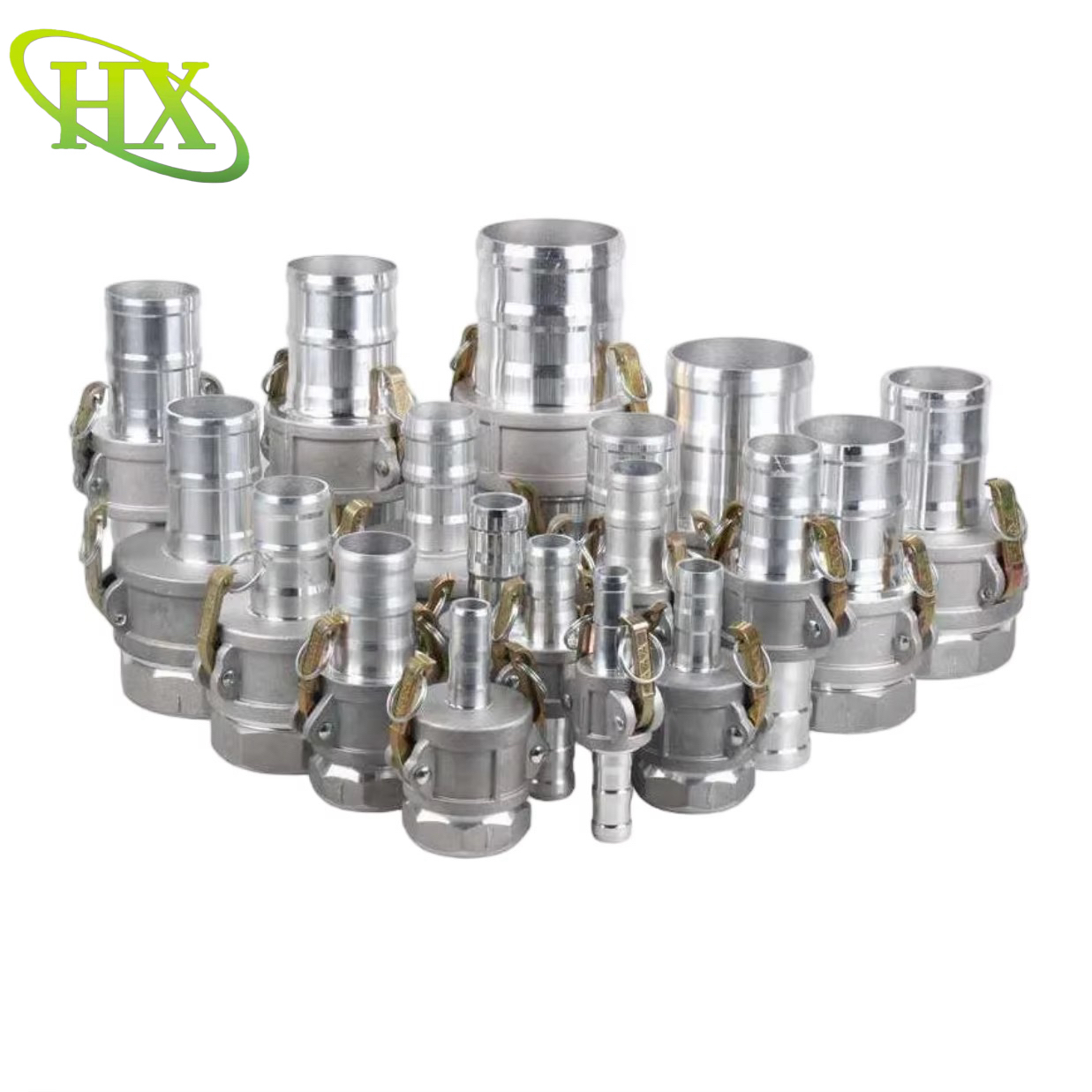
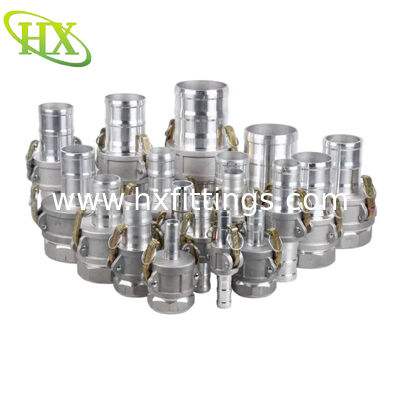
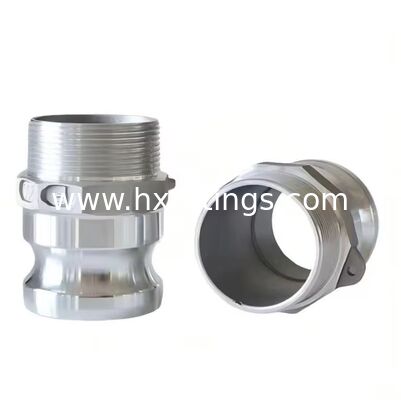
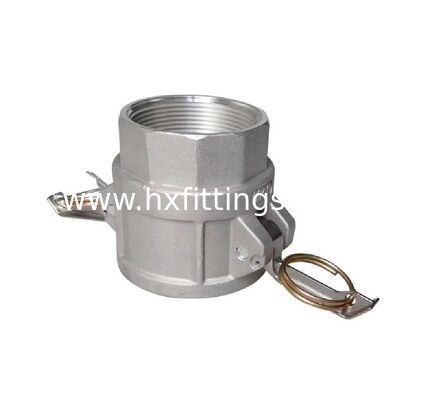
Aluminium casting camlock coupling for fire pump tank suction hose
Product Details
| Material | ALUMINUM |
|---|
Product Description

Aluminum Casting Camlock Couplings for Fire Pump Tank Suction Hose: Selection and Application Guide
In fire pump drafting operations, the suction hose assembly is the critical link between the water source and the pump. Every component in that assembly—including the camlock couplings—must perform under vacuum conditions and in demanding field environments. Aluminum casting camlock couplings offer a practical balance of weight, corrosion resistance, and cost for fire pump tank suction applications. This guide covers the specific requirements, standards, and selection considerations for specifiers and procurement teams.
Why Camlock Couplings Are Used in Fire Pump Suction Lines
Fire pump drafting relies on creating a negative pressure (vacuum) inside the pump to draw water from a static source. According to fire service training materials, a properly operating primer must develop 22 inches of vacuum within 30 seconds, which translates to approximately 10.5 psi of negative pressure and a practical lift of around 24 feet. The suction hose and all fittings must maintain a tight seal under these vacuum conditions to prevent air ingress, which would break the prime and interrupt water delivery.
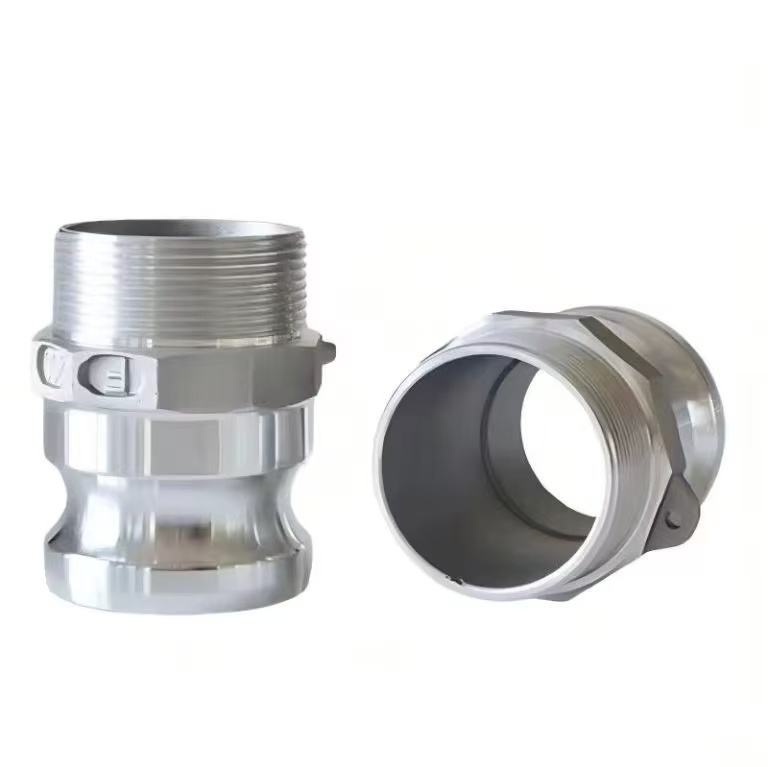
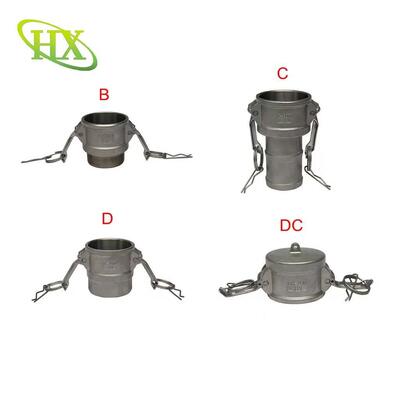
Camlock couplings—specifically Type A (male adapter with female thread) and Type C (female coupler with hose shank)—are commonly supplied in suction hose kits for fire pumps. These configurations allow the hose to be quickly connected to the pump intake (typically a threaded port) and to a foot valve or strainer at the water end.
Material Considerations: Aluminum Casting vs. Other Options
Weight and Handling
Fire pump suction hose assemblies are frequently deployed and retrieved under time pressure and in adverse conditions. Aluminum is significantly lighter than brass or stainless steel, reducing operator fatigue during setup and breakdown. This weight advantage becomes more pronounced at larger diameters (3-inch and above), which are typical for fire pump suction applications where flow rate is a priority.
Corrosion Resistance and Durability
Aluminum offers good corrosion resistance for water service, particularly when the coupling is manufactured from a suitable alloy. However, cast aluminum is not immune to corrosion in all environments. For apparatus that see frequent exposure to salt water or aggressive chemical agents, hardcoat anodized finishes or alternative materials may warrant consideration. For typical freshwater drafting and tank fill operations, standard aluminum casting performance is generally adequate.
Pressure and Vacuum Ratings
The European standard EN 14420-7 specifies that aluminum cast camlock couplings of all sizes are rated for a working pressure range of −0.8 bar to 10 bar (−11.6 psi to 145 psi) within a temperature range of −20°C to +65°C. The negative pressure rating is directly relevant to suction service, as it confirms the coupling's suitability for vacuum conditions. Specifiers should verify that any aluminum camlock supplied for suction duty meets or exceeds this vacuum rating.
Matching Camlock Types to Suction Hose Configurations
Suction hose assemblies typically require two coupling types: one at the pump end and one at the water-source end.
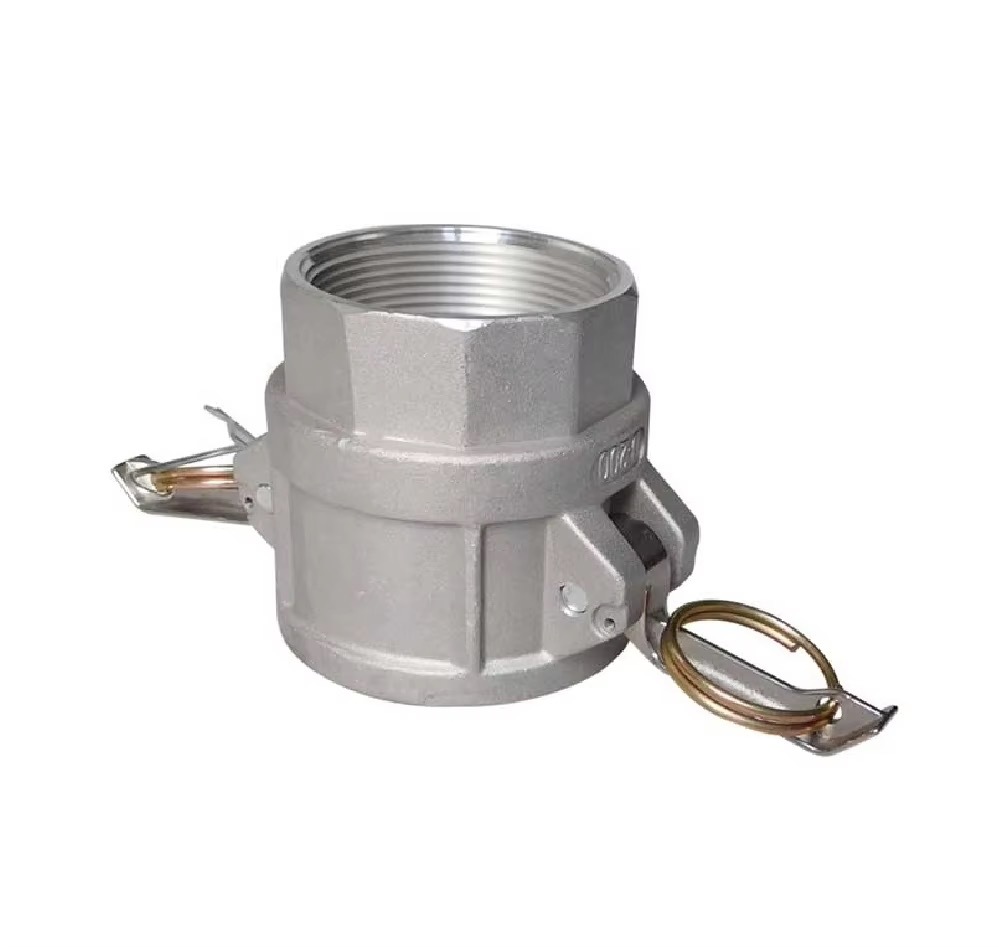
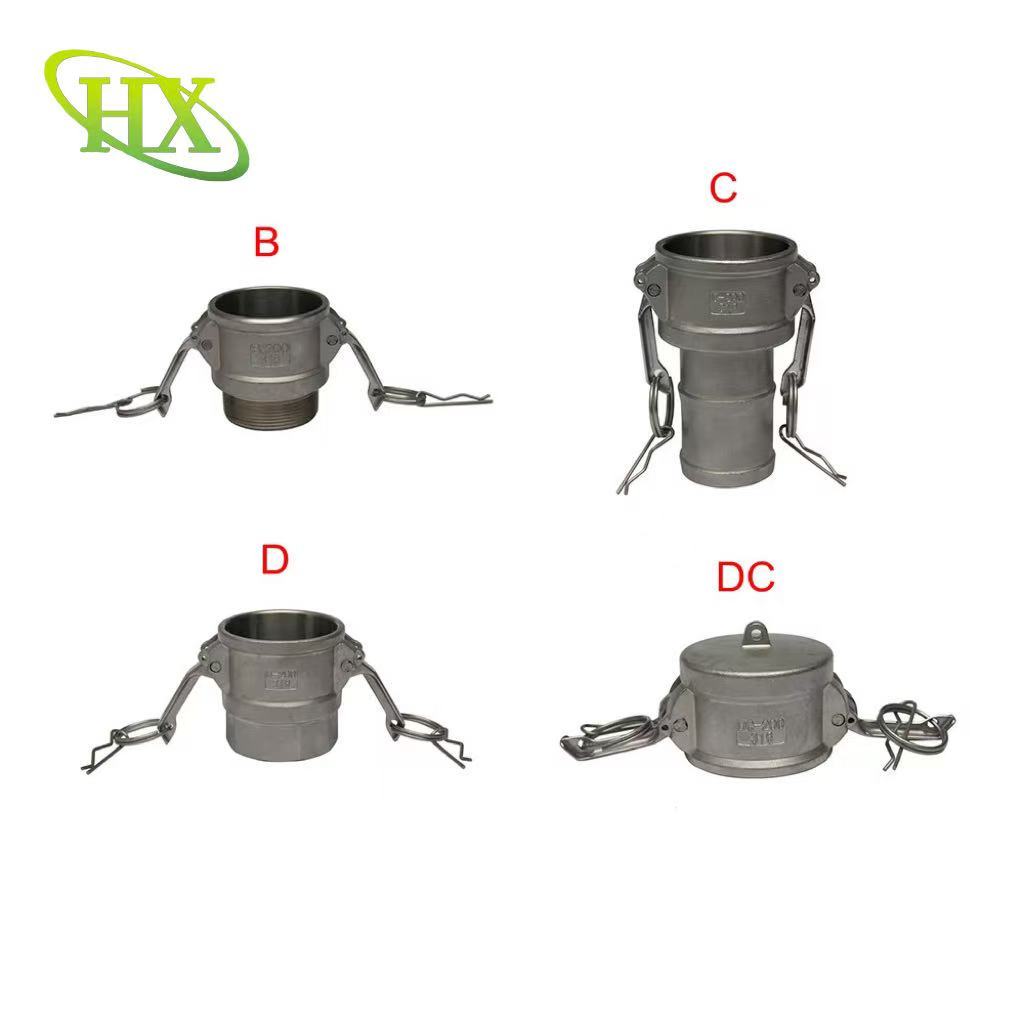
At the pump end, a Type A or Type F adapter (male camlock with threaded connection) is commonly used to mate with the pump intake port. The choice between A (female thread) and F (male thread) depends on the pump intake configuration. Alternatively, a Type D or B coupler may be specified if the pump intake is equipped with a male adapter.
At the water-source end, a Type C or Type E coupler with hose shank is used to secure the suction hose. A foot valve or strainer is then attached to prevent debris ingress and maintain prime. Commercially available suction hose kits for fire pumps frequently include Type A and Type C camlocks in sizes ranging from 1 inch to 3 inches.
Standards and Compliance
NFPA Requirements for Suction Hose
NFPA 1901, the standard for automotive fire apparatus, requires that mobile water supply apparatus equipped with a pump carry a minimum of 20 feet of suction hose or 15 feet of supply hose. Where hard suction hose is provided, a suction strainer must also be furnished. The purchaser is responsible for specifying the length and size of the hose, the type and size of the couplings, and the manner in which the hose is carried. This places the responsibility for coupling selection squarely on the specifying authority—typically the fire department or apparatus manufacturer acting on the department's requirements.
EN 14420-7 for Camlock Couplings
For international markets or operations subject to European standards, EN 14420-7 provides the design, material, dimension, and marking requirements for cam locking couplings. As noted above, aluminum cast couplings are covered under this standard with defined pressure and temperature limits. Suppliers should be able to confirm compliance upon request.
Practical Selection Checklist
When specifying aluminum casting camlock couplings for fire pump tank suction hose, consider the following:
| Consideration | Recommendation |
|---|---|
| Size | Match to pump intake and hose diameter (commonly 1.5" to 3" for portable pumps; larger for apparatus-mounted systems) |
| Type at pump end | Type A or F adapter, depending on pump intake thread gender |
| Type at water end | Type C or E coupler with hose shank, plus foot valve/strainer |
| Material | Aluminum casting for weight savings; verify vacuum rating |
| Standard | Confirm compliance with EN 14420-7 or applicable regional standard |
| Gasket | Ensure gasket material is compatible with water service (typically NBR/Buna-N) |
| Inspection | Check cam arms for smooth operation and gaskets for damage before each use |
Frequently Asked Questions
Q: Can aluminum camlock couplings be used on the suction side of a fire pump?
Yes, provided they are rated for vacuum service. EN 14420-7 specifies a negative pressure rating of −0.8 bar for aluminum cast camlocks, which covers typical drafting vacuum conditions.
Q: What camlock types are typical for fire pump suction hose kits?
Type A (male adapter with female thread) and Type C (female coupler with hose shank) are commonly supplied together in suction hose kits for fire pumps.
Q: Are camlock couplings approved by NFPA?
NFPA 1901 requires suction hose but does not mandate a specific coupling type. The standard states that the purchaser shall specify the type and size of couplings. Camlock is one acceptable option where specified.
Q: How does aluminum compare to brass for fire hose fittings?
Aluminum is lighter and offers good corrosion resistance and pressure capacity for water service. Brass is heavier and generally more expensive. The choice depends on handling requirements, budget, and environmental exposure.
Recommended Products